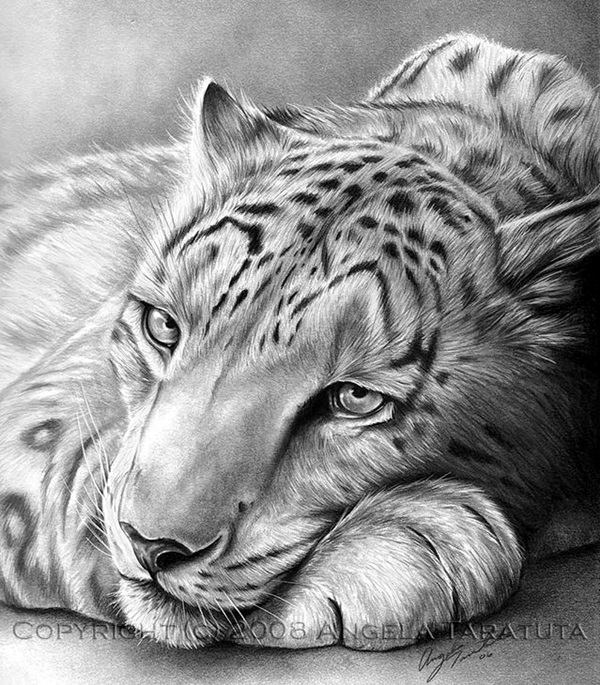
Embark on a captivating journey into the world of cute animal pencil drawings, where imagination meets artistry. This comprehensive guide is designed for both aspiring and experienced artists looking to explore the joys of capturing the charm and innocence of furry friends on paper.
Step into a realm where boundless creativity and meticulous attention to detail unite to bring life to adorable creatures. Discover the secrets to capturing their playful expressions, fluffy fur textures, and endearing personalities through the magic of pencil strokes.
As we delve into the intricacies of cute animal pencil drawings, we’ll uncover the essential techniques and tips that transform simple lines into captivating works of art. Whether you’re a seasoned artist or just starting your artistic adventure, this guide will provide you with the knowledge and inspiration needed to create your own menagerie of adorable animal illustrations.
Cute Animal Pencil Drawings
Adorable Illustrations, Simple Techniques.
- Capture Playful Expressions
- Create Fluffy Fur Textures
- Bring Personalities to Life
With these key points in mind, embark on your artistic journey and let your creativity soar as you bring adorable animal characters to life through the power of pencil and paper.
Capture Playful Expressions
When it comes to cute animal pencil drawings, capturing playful expressions is key to bringing your characters to life. These expressions convey a sense of joy, mischief, and innocence, making your drawings irresistible.
- Observe Animals:
Study animal behavior and expressions in real life or through photographs. Pay attention to the way their eyes sparkle, their ears perk up, and their tails wag.
- Exaggerate Features:
To enhance the cuteness factor, slightly exaggerate certain features, such as large, round eyes, wide smiles, and fluffy cheeks. This exaggeration will make your animals even more adorable.
- Use Dynamic Poses:
Capture animals in dynamic and playful poses, such as leaping, pouncing, or tilting their heads curiously. These poses add energy and movement to your drawings.
- Add Details:
Don’t forget to include small details that add personality, such as whiskers, freckles, or tufts of fur. These details bring depth and charm to your animal characters.
By following these tips, you’ll be able to capture the playful expressions of animals in your pencil drawings, making them irresistible and full of life.
Create Fluffy Fur Textures
Fluffy fur textures are a defining characteristic of many cute animals, and capturing them in your pencil drawings can take your illustrations to the next level.
- Use Soft, Light Strokes:
When drawing fur, use soft, light strokes to create a delicate and fluffy appearance. Avoid using harsh or heavy lines, as these can make the fur look stiff and unnatural.
- Vary the Length and Direction of Fur Strokes:
To create a realistic fur texture, vary the length and direction of your fur strokes. This will help to mimic the natural flow and movement of fur.
- Add Highlights and Shadows:
To define the fur texture even further, add highlights and shadows to create a sense of depth. Use a lighter pencil or eraser to create highlights, and a darker pencil to create shadows.
- Use Blending Techniques:
Blending is a great way to create smooth transitions between different fur colors and textures. Use a blending stump or your finger to gently smudge the pencil strokes together.
By following these tips, you’ll be able to create fluffy fur textures that bring your cute animal drawings to life.
Bring Personalities to Life
Cute animal pencil drawings are not just about capturing their physical appearance; it’s also about bringing their personalities to life. By imbuing your animal characters with unique personalities, you can make them more relatable and engaging to viewers.
Here are a few tips for bringing personalities to life in your cute animal pencil drawings:
1. Study Animal Behavior:
Observe animals in real life or through videos and photographs to understand their natural behaviors and mannerisms. Pay attention to how they interact with each other and their environment.
2. Exaggerate Personality Traits:
To make your animal characters even more adorable and memorable, exaggerate certain personality traits. For example, if you’re drawing a playful puppy, you might emphasize its wagging tail and puppy-dog eyes.
3. Use Body Language and Expressions:
Body language and expressions play a crucial role in conveying personality. Use dynamic poses and exaggerated expressions to communicate the emotions and personality of your animal characters.
4. Add Unique Details:
Incorporate unique details into your animal drawings that reflect their personalities. For instance, you might give a curious cat a pair of glasses or a shy rabbit a flower to hold.
By following these tips, you can bring the personalities of your cute animal pencil drawings to life, making them truly captivating and memorable.
FAQ
Have questions about pencil drawing?
Whether you’re a beginner just starting or an experienced artist looking to improve your skills, we’ve compiled a list of frequently asked questions and answers to help you on your pencil drawing journey.
Question 1: What type of pencils should I use for pencil drawing?
Answer: The type of pencils you use will depend on your personal preferences and the desired outcome. However, a good starting point is to have a set of graphite pencils ranging from hard (such as 2H or 4H) to soft (such as 6B or 8B).
Question 2: How do I hold a pencil correctly?
Answer: There are different ways to hold a pencil, but a common method is the tripod grip. Hold the pencil between your thumb and index finger, resting it on your middle finger. This grip provides good control and allows for precise lines.
Question 3: How do I create different values in my pencil drawings?
Answer: Values refer to the lightness or darkness of an area in your drawing. To create different values, vary the pressure you apply with your pencil. Press harder for darker areas and lighter for lighter areas. You can also use hatching and cross-hatching techniques to create tonal variations.
Question 4: How do I blend pencil strokes?
Answer: Blending pencil strokes helps to create smooth transitions and soft edges. You can use a blending stump, tortillon, or even your finger to gently rub and blend the pencil marks together.
Question 5: How do I fix mistakes in my pencil drawing?
Answer: Mistakes are a natural part of the drawing process. To fix small mistakes, use an eraser to gently remove the unwanted marks. For larger mistakes, you may need to rework the area or start over.
Question 6: How can I improve my pencil drawing skills?
Answer: Practice is the key to improving your pencil drawing skills. Draw regularly and challenge yourself with different subjects and techniques. You can also take online courses, attend workshops, or join a drawing group to learn from experienced artists.
Remember, pencil drawing is a journey of exploration and self-expression. Be patient with yourself, experiment with different techniques, and most importantly, enjoy the process!
Now that you have a better understanding of pencil drawing basics, let’s explore some additional tips to help you create stunning pencil drawings.
Tips
Ready to take your pencil drawing skills to the next level?
Here are some practical tips to help you create stunning, expressive, and technically proficient pencil drawings:
Tip 1: Invest in Quality Materials:
Having the right tools can make a big difference in your drawing experience. Invest in good quality graphite pencils, an eraser, a sharpener, and a blending stump or tortillon. Cheap materials can hinder your progress and lead to frustration.
Tip 2: Master the Basic Techniques:
Before you start creating complex drawings, it’s essential to master the basic techniques of pencil drawing. This includes learning how to hold the pencil correctly, create different values, blend pencil strokes, and use hatching and cross-hatching techniques. Once you have a solid foundation, you can start experimenting and developing your own style.
Tip 3: Practice Regularly:
Practice is the key to improvement in any skill, and pencil drawing is no exception. Set aside time each day or week to practice drawing different subjects, from simple objects to complex scenes. The more you practice, the more confident and skilled you will become.
Tip 4: Experiment with Different Techniques:
There are many different pencil drawing techniques that you can use to create unique and interesting effects. Experiment with different pencil types, blending techniques, and mark-making tools. You might be surprised at the creative possibilities that open up when you step outside of your comfort zone.
Remember, pencil drawing is a journey of exploration and self-expression. Enjoy the process, learn from your mistakes, and never stop experimenting and growing as an artist.
With dedication, practice, and a willingness to learn and grow, you can create beautiful and captivating pencil drawings that express your unique artistic vision.
Conclusion
Congratulations on embarking on your pencil drawing journey!
Whether you’re an aspiring artist or an experienced one looking to refine your skills, pencil drawing offers a versatile and rewarding medium for artistic expression.
As you progress in your drawing journey, remember these key points:
- Master the Fundamentals:
Start by mastering the basic techniques of pencil drawing, such as holding the pencil correctly, creating different values, and blending strokes. This solid foundation will support your artistic growth.
Practice Regularly:
Consistent practice is essential for improvement. Dedicate time each day or week to draw different subjects and experiment with various techniques.
Explore Your Creativity:
Don’t be afraid to experiment and develop your own unique style. Try different pencil types, blending techniques, and mark-making tools to discover the creative possibilities that pencil drawing offers.
Remember, pencil drawing is a journey of exploration and self-expression. Embrace the process, learn from your mistakes, and never stop growing as an artist. With dedication and passion, you can create stunning pencil drawings that capture the beauty of the world around you and express your unique artistic vision.
Happy drawing!
