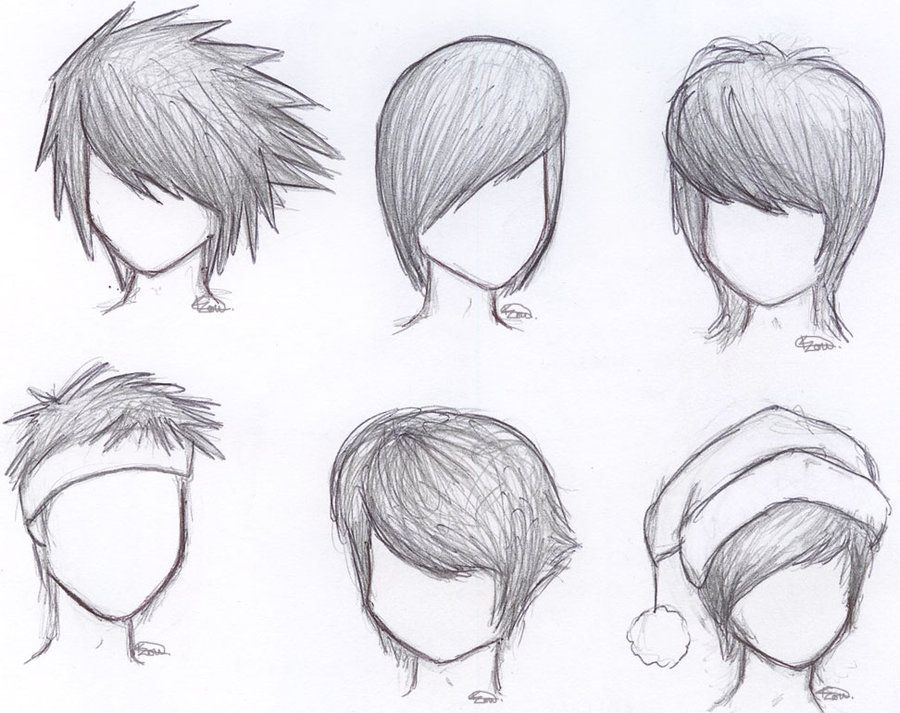
Are you a beginner looking to create captivating anime boy drawings using just a pencil? Look no further! This comprehensive guide will take you through a step-by-step process to help you master the art of drawing anime boys with ease.
Whether you’re new to sketching or seeking to improve your skills, this tutorial will provide you with all the necessary knowledge and techniques to bring your anime boy characters to life on paper.
Before we dive into the detailed steps, let’s gather the essential materials needed for this drawing adventure: a pencil with a comfortable grip, an eraser to correct any mistakes, and a sketchbook or drawing paper to capture your creation. With your materials at hand, let’s begin our exciting journey into the world of anime boy drawings.
Anime Boy Drawings in Pencil Step by Step
Follow these key points to create stunning anime boy drawings:
- Understand Basic Proportions: Ensure accurate body ratios.
- Master Facial Features: Capture expressive eyes, nose, and mouth.
- Add Clothing and Accessories: Personalize your character’s style.
- Practice Shading and Highlights: Enhance depth and dimension.
Remember, patience and practice are key to mastering anime boy drawings. Experiment with different techniques and have fun bringing your characters to life!
Understand Basic Proportions: Ensure accurate body ratios.
When drawing an anime boy, it’s crucial to understand basic body proportions to create a balanced and visually appealing character. Here are some key tips to help you achieve accurate body ratios:
1. Head-to-Body Ratio: In anime, the head is typically larger compared to the body, often about 1/3 of the total body height. This exaggerated proportion gives anime characters their distinctive look.
2. Torso and Legs: The torso should be slightly longer than the legs. Divide the body into two halves, with the waistline falling at the midpoint. The legs should extend from the waistline to the feet, with the knees positioned slightly below the hips.
3. Shoulders and Hips: The shoulders should be broader than the hips for male characters. This creates a V-shape for the upper body, emphasizing the masculine physique. The hips should be slightly narrower, creating a sense of balance.
4. Arms and Hands: The arms should reach down to the thighs when standing naturally. The hands should be about the same size as the face, with the fingers slightly spread apart.
Remember, these proportions are guidelines and can vary slightly depending on the style of anime you’re drawing. The key is to maintain a sense of balance and harmony in your character’s overall appearance.
Master Facial Features: Capture expressive eyes, nose, and mouth.
To create captivating anime boy characters, it’s essential to master the art of drawing expressive facial features. This includes capturing the emotions and personality of your character through their eyes, nose, and mouth.
Eyes:
Anime eyes are often large and expressive, communicating a wide range of emotions. Pay attention to the shape and curvature of the eyes, as well as the placement of the iris and pupil. Consider adding highlights and reflections to make the eyes appear lively and full of depth.
Ears:
While not as prominent as animal ears, human ears still add to the character’s overall appearance. Depict them as simple curves or add intricate details like ear piercings or unique ear shapes to make your character stand out.
Noses and Mouths:
Noses and mouths in anime are often simplified compared to real life. Noses can be small and pointed or absent altogether. Mouths can be straight lines, curved smiles, or elaborate expressions of joy, sadness, or surprise.
Remember, the key to capturing expressive facial features is to convey the emotions and personality of your character. Experiment with different shapes and styles until you find a combination that best represents the character you have in mind.
Add Clothing and Accessories: Personalize your character’s style.
Clothing and accessories play a vital role in bringing your anime boy character to life and expressing their unique personality. Here are some tips to help you design stylish and personalized outfits:
1. Consider the Character’s Personality and Background: Think about the character’s personality, occupation, and social status. Their clothing should reflect their lifestyle and background. For example, a high school student might wear a casual uniform, while a professional might wear a suit.
2. Choose Clothing that Complements the Character’s Physical Features: Consider the character’s body type and skin tone when selecting clothing. Certain colors and styles may complement their features and enhance their overall appearance.
3. Add Accessories to Enhance the Character’s Style: Accessories can add depth and personality to your character. Consider adding items like glasses, hats, scarves, or jewelry to create a unique and memorable look.
4. Experiment with Different Clothing Styles: Don’t be afraid to experiment with different clothing styles to find the perfect outfit for your character. You can mix and match different pieces to create a unique and personalized look.
Remember, the key to creating stylish and personalized clothing for your anime boy character is to have fun and let your creativity shine through. Experiment with different styles and accessories until you find a combination that perfectly captures the character’s personality and style.
Practice Shading and Highlights: Enhance depth and dimension.
Shading and highlights are essential techniques for adding depth and dimension to your anime boy drawings. Here’s how you can use them effectively:
1. Understand Light and Shadow: Observe how light interacts with objects in real life. Pay attention to where the light source is coming from and how it creates shadows. This understanding will help you apply shading and highlights more realistically to your drawings.
2. Use Basic Shading Techniques: Start with basic shading techniques like cross-hatching and stippling. Cross-hatching involves creating a series of intersecting lines, while stippling involves placing small dots close together. Experiment with different techniques to find the ones that work best for you.
3. Apply Shading to Create Form and Texture: Use shading to define the contours of your character’s face and body, creating a sense of form and volume. You can also use shading to add texture to clothing, hair, and other objects in the drawing.
4. Add Highlights for Contrast: Highlights are areas where light directly hits the surface of an object. Adding highlights to your drawings can create a sense of contrast and make your character appear more vibrant and lifelike.
Remember, practice is key to mastering shading and highlights. Experiment with different techniques and study real-life objects to improve your understanding of light and shadow. The more you practice, the better you’ll become at creating depth and dimension in your anime boy drawings.
FAQ
If you’re new to pencil drawing or looking to improve your skills, here are some frequently asked questions and answers to help you:
Question 1: What type of pencil should I use?
Answer 1: For beginners, a standard HB pencil is a good starting point. As you gain experience, you can experiment with different types of pencils, such as softer grades (B, 2B, 3B) for darker tones and harder grades (H, 2H, 3H) for lighter tones.
Question 2: How do I hold a pencil correctly?
Answer 2: Hold the pencil lightly between your thumb and index finger, resting it on your middle finger for support. Avoid gripping the pencil too tightly, as this can restrict your movement and make it difficult to draw smoothly.
Question 3: How do I create different values with a pencil?
Answer 3: You can create different values by varying the pressure you apply to the pencil. Pressing harder will produce darker tones, while pressing lightly will produce lighter tones. Experiment with different pressure levels to achieve the desired效果.
Question 4: How do I blend pencil strokes?
Answer 4: To blend pencil strokes, use a blending stump or a tissue. Rub the blending tool gently over the pencil strokes in a circular motion. This will help to smooth out the transitions between different tones and create a more polished look.
Question 5: How do I draw basic shapes?
Answer 5: Start by practicing drawing simple shapes like lines, circles, squares, and triangles. Break down complex objects into these basic shapes and then combine them to create more intricate drawings.
Question 6: How do I improve my shading skills?
Answer 6: Practice shading by observing objects under different lighting conditions. Pay attention to how light and shadow interact with the object’s form and texture. Experiment with different shading techniques, such as cross-hatching, stippling, and hatching, to create different effects.
Question 7: How can I take my pencil drawings to the next level?
Answer 7: To improve your pencil drawings, focus on developing your observational skills, understanding perspective and proportions, and practicing regularly. Study the work of experienced pencil artists and learn from their techniques. Experiment with different drawing styles and subjects to find your own unique artistic voice.
Remember, practice is key to improving your pencil drawing skills. Keep experimenting, learning, and refining your techniques, and you’ll be able to create stunning and expressive pencil drawings.
Now that you have a better understanding of the basics, here are some additional tips to help you on your pencil drawing journey:
Tips
Here are some practical tips to help you improve your pencil drawing skills and create stunning artwork:
Tip 1: Start with Basic Shapes: Break down complex objects into simple shapes, such as lines, circles, squares, and triangles. This will help you understand the structure and proportions of the object and make it easier to draw.
Tip 2: Practice Regularly: Consistency is key to improving your drawing skills. Set aside some time each day or week to practice drawing. Even short, regular practice sessions can make a big difference over time.
Tip 3: Use Reference Images: When drawing real-life objects or scenes, use reference images to capture accurate details and proportions. Reference images can also help you learn about lighting, shadows, and perspective.
Tip 4: Experiment with Different Techniques: There are many different pencil drawing techniques, such as cross-hatching, stippling, and hatching. Experiment with different techniques to find the ones that work best for you and the effects you want to achieve.
Tip 5: Pay Attention to Light and Shadow: Lighting plays a crucial role in creating depth and realism in your drawings. Observe how light interacts with objects, creating highlights and shadows. Pay attention to the direction of the light source and how it affects the appearance of the object.
Tip 6: Don’t Be Afraid to Make Mistakes: Mistakes are a natural part of the learning process. Don’t be discouraged if your drawings don’t turn out perfectly at first. Keep practicing, learn from your mistakes, and you’ll see improvement over time.
Remember, patience and persistence are key to becoming a skilled pencil artist. Keep practicing, experimenting, and learning, and you’ll be able to create beautiful and captivating pencil drawings.
Now that you have a better understanding of the basics of pencil drawing and some practical tips to improve your skills, it’s time to start practicing and exploring your creativity. With dedication and perseverance, you can create stunning pencil drawings that express your unique artistic vision.
Conclusion
Pencil drawing is a versatile and rewarding art form that allows you to express your creativity and capture the beauty of the world around you. Whether you’re a beginner or an experienced artist, there’s always something new to learn and explore in the realm of pencil drawing.
In this comprehensive guide, we’ve covered the essential steps and techniques to help you create stunning anime boy drawings using just a pencil. We’ve emphasized the importance of understanding basic proportions, capturing expressive facial features, personalizing your character’s style, and enhancing depth and dimension through shading and highlights.
Remember, practice is key to mastering the art of pencil drawing. Experiment with different techniques, study the work of experienced artists, and most importantly, have fun! Pencil drawing is a journey of exploration and self-expression, so embrace the process and enjoy the creative freedom it offers.
As you continue your pencil drawing journey, remember these key points:
- Observation is essential: Pay attention to the world around you and train your eye to see the details and nuances that make objects and scenes unique.
- Practice regularly: Consistency is key to improvement. Even short, regular practice sessions can make a big difference over time.
- Experimentation is encouraged: Don’t be afraid to try different techniques and styles. Experimenting with different materials, subjects, and approaches can help you discover your own unique artistic voice.
- Learning is a continuous process: The world of art is vast and ever-evolving. Embrace the mindset of a lifelong learner and continue to seek knowledge, inspiration, and feedback from others.
With dedication, perseverance, and a passion for art, you can create beautiful and captivating pencil drawings that showcase your skills and express your creativity.
